






Colors evoke emotions and influence decisions. In this deep dive, we explore how to strategically choose a brand color palette that resonates with your target audience and differentiates you from competitors.
Discover how tire protection technology can help tire shops and fleet operators improve service offerings, manage puncture-related interruptions, and explore new business opportunities.
Why Tire Punctures Are a Costly Challenge
For trucking companies, delivery fleets, and commercial vehicle operators, an unexpected tire puncture can disrupt schedules and create additional operating costs.
A roadside stop may mean delayed deliveries, vehicle downtime, emergency service expenses, and changes to daily operations.
Self-sealing tire technology offers an additional layer of protection against qualifying tread punctures, helping businesses explore ways to reduce certain tire-related interruptions.
What Is Self-Sealing Tire Treatment?
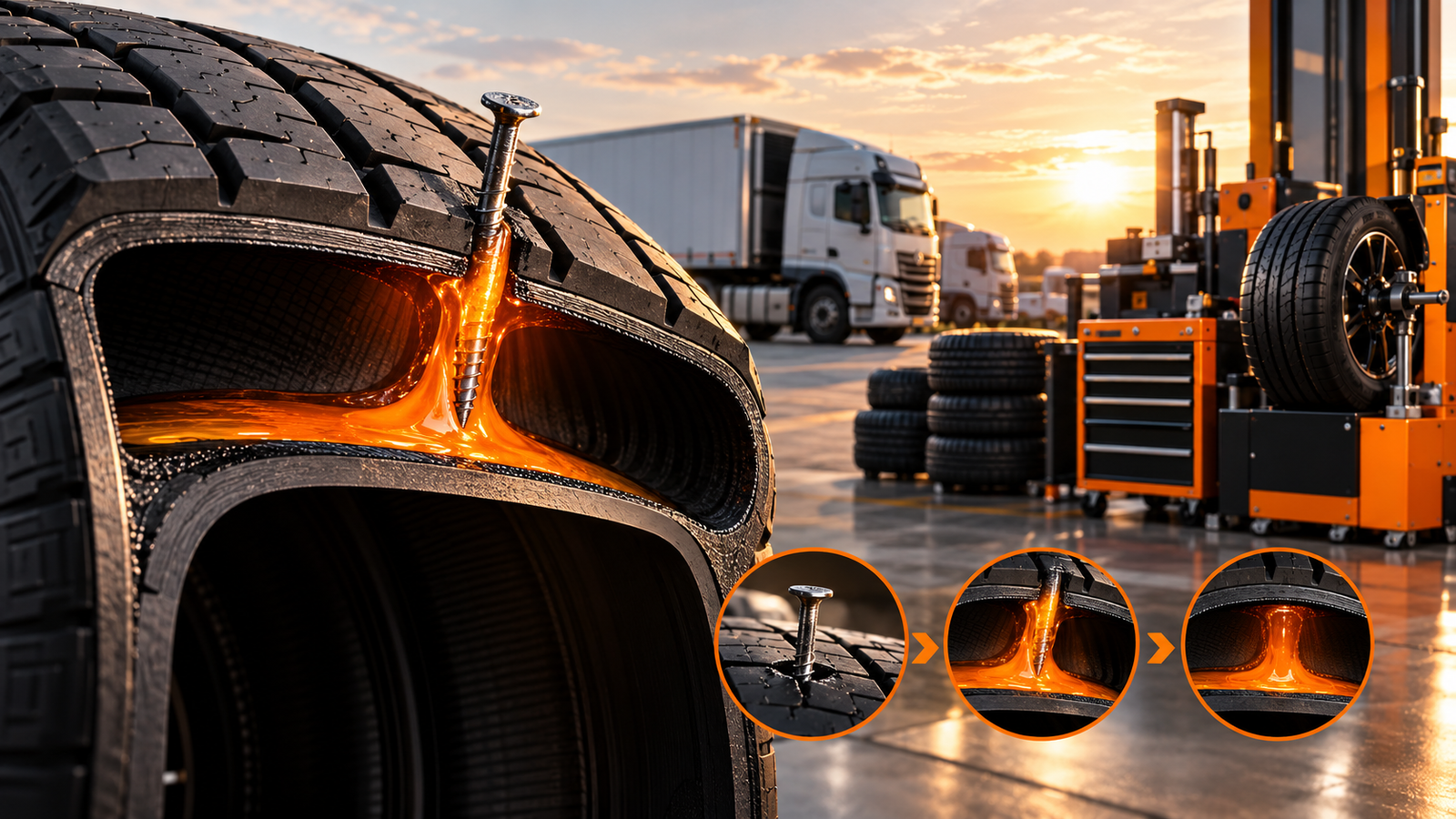
Self-sealing tire treatment uses a specialized compound applied to the inner surface of a compatible tire. When a qualifying puncture occurs in the treated tread area, the compound is designed to help seal the opening and limit air loss.
The performance depends on the compound, tire construction, puncture size and location, and operating conditions.
It is not a guarantee against every puncture, and it does not eliminate the need for regular tire inspections or professional maintenance.
How the Treatment Process Works
A professional treatment system typically combines dedicated equipment, a compatible compound, and a controlled application process.
Step 1: Clean the Tire
The inner surface is cleaned to remove contaminants and prepare it for treatment.
Step 2: Prepare the Tire
The tire is prepared according to the equipment manufacturer's requirements, including any specified heating procedure.
Step 3: Apply the Compound
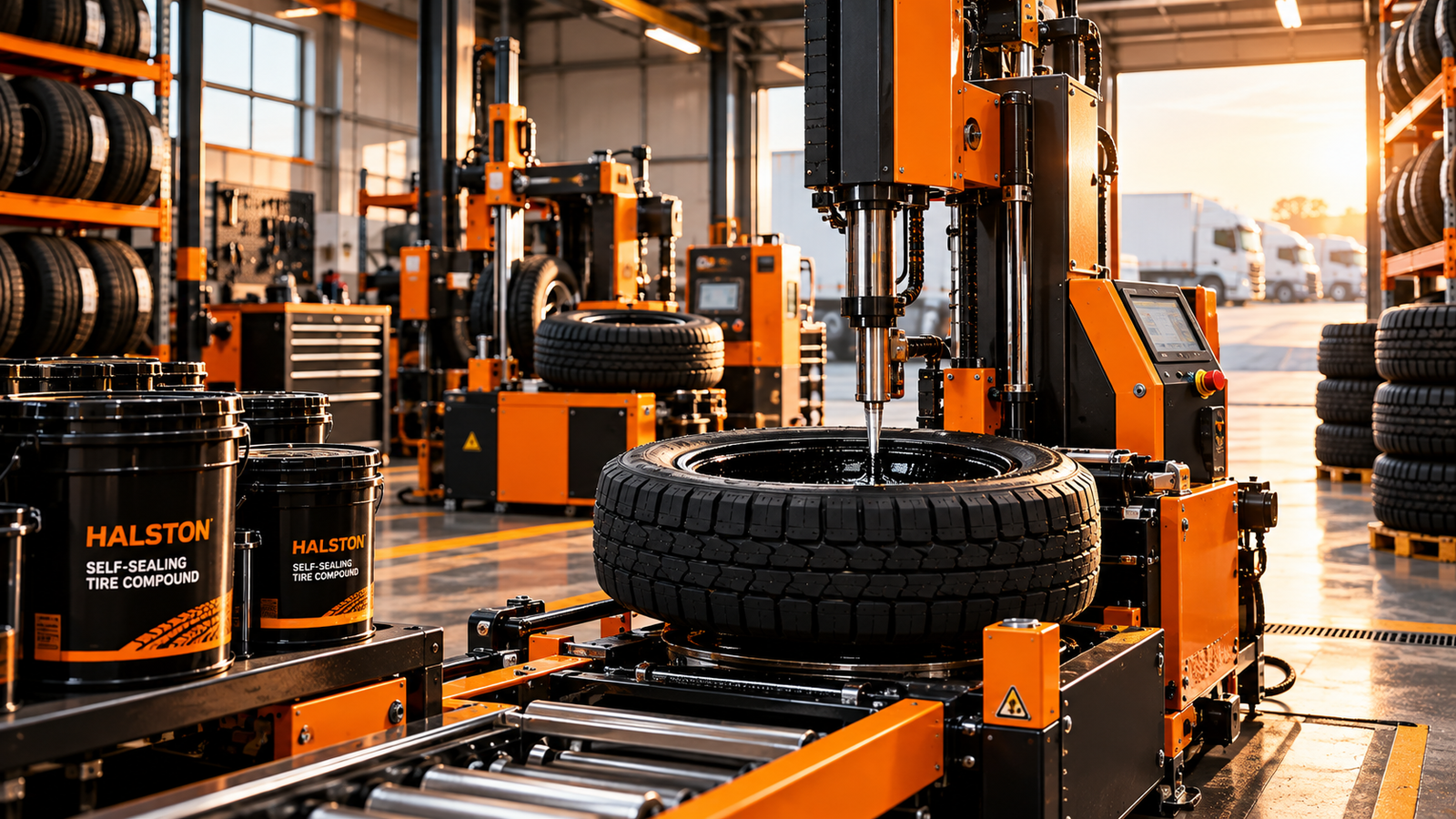
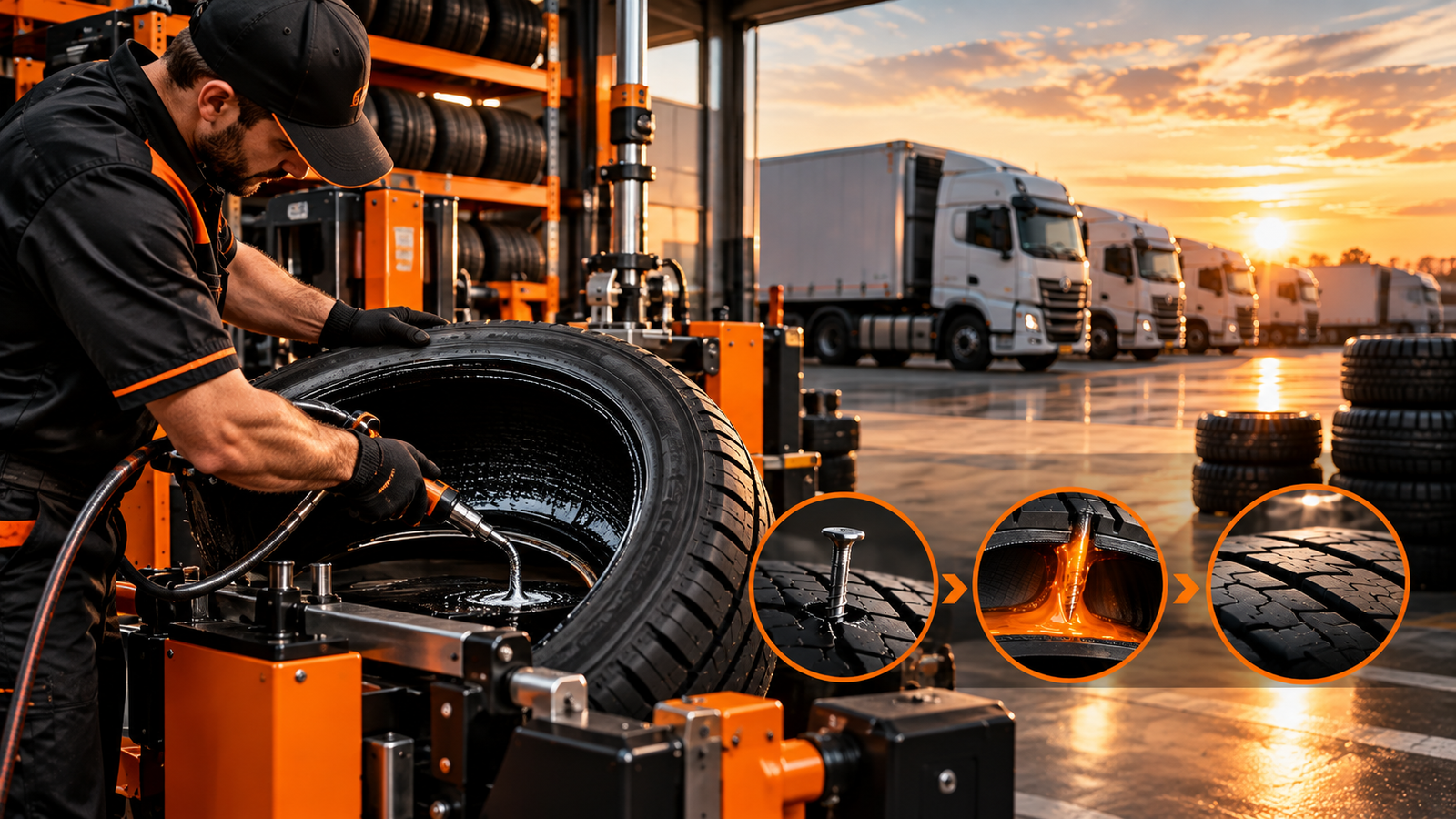
Specialized equipment distributes the self-sealing compound across the designated inner tread area.
Step 4: Cool and Inspect
The treated tire is allowed to cool or stabilize as required, then inspected according to the manufacturer's quality-control instructions.
Proper equipment setup and operator training are essential for consistent treatment.
Benefits for Fleet Operators
For commercial fleets, tire protection should be evaluated as part of a broader maintenance strategy.
Potential benefits include:
- Additional protection against qualifying tread punctures.
- The possibility of fewer puncture-related service interruptions.
- Better support for planned tire maintenance.
- An additional option for managing tire-related operating risks.
Actual results depend on fleet conditions, tire selection, route characteristics, and the treatment system's verified performance.
Opportunities for Tire Shops and Service Centres
Tire shops can use specialized treatment equipment to explore a new service category.
Instead of competing only on tire prices and conventional repairs, businesses may be able to offer customers an additional tire protection service.
A well-planned service can help shops:
- Differentiate their offering from nearby competitors.
- Develop relationships with commercial fleets.
- Generate additional service revenue.
- Expand their range of tire-related solutions.
Before launching the service, assess local demand, operating costs, customer expectations, and the technical requirements of the treatment process.
What Equipment Do You Need?
A tire treatment operation may require a combination of equipment and supporting materials, depending on the selected package.
A typical package can include:
- Tire cleaning equipment.
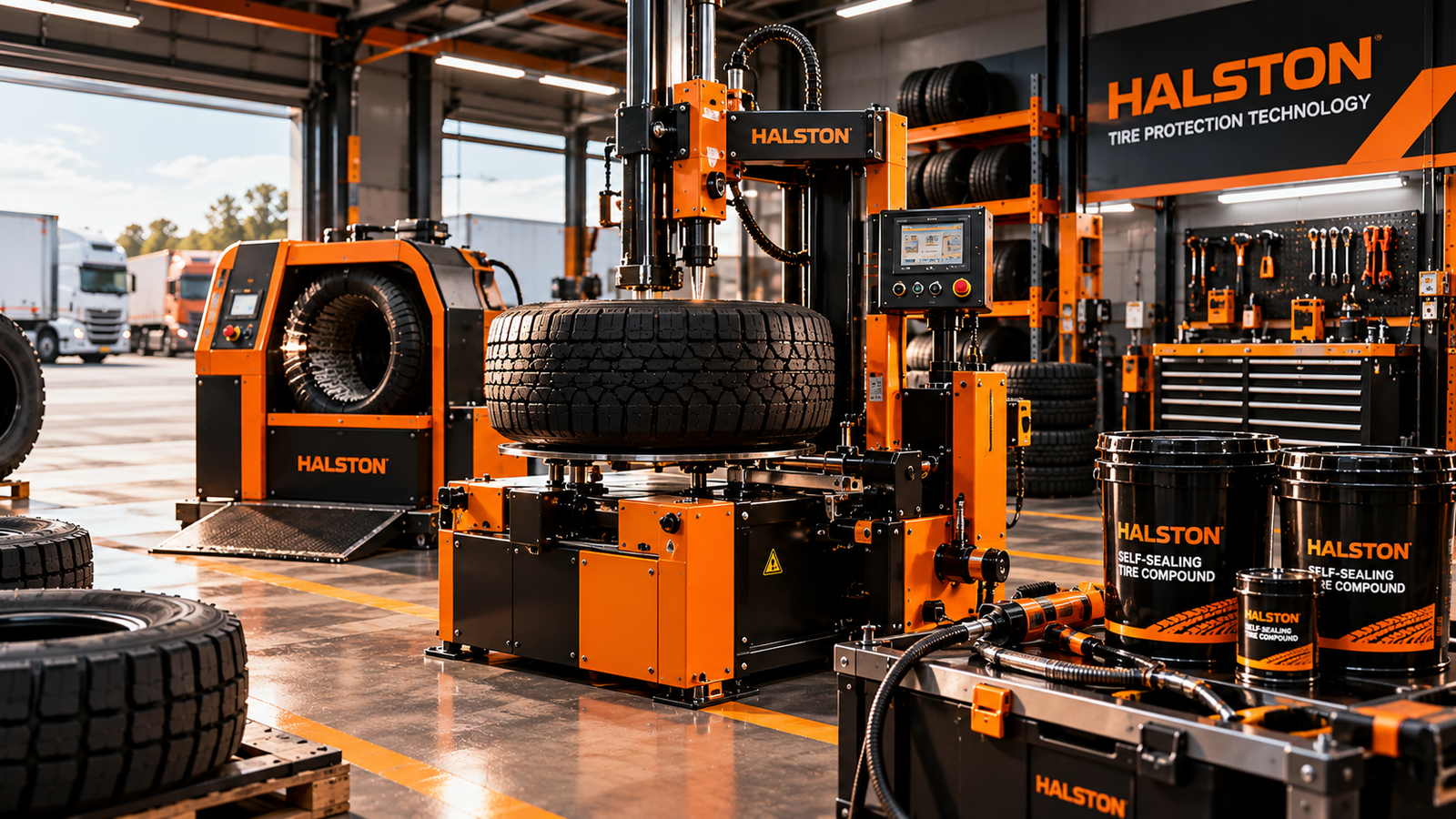
- A compound application machine.
- An initial supply of self-sealing compound.
- Spare parts and consumables.
- Operator training and technical documentation.
- Equipment warranty and factory support, subject to the package terms.
Halston offers equipment packages for businesses interested in introducing self-sealing tire treatment. Review the complete specifications and included components before selecting a setup.
How to Evaluate the Business Opportunity
A successful investment starts with realistic numbers.
Consider these factors before purchasing equipment:
Initial investment: Include the equipment package, setup, training, and initial materials.
Cost per tire: Calculate compound consumption, labor, energy, and maintenance.
Service pricing: Research what customers in your market are willing to pay.
Monthly capacity: Estimate the number of tires your operation can realistically process.
Customer acquisition: Consider how you will reach private drivers, tire shops, and commercial fleets.
Return on investment: Compare projected revenue with total operating costs and the initial investment.
A detailed business plan can help you understand the potential opportunity without relying on unsupported profit or payback promises.
Is Self-Sealing Treatment Suitable for Every Tire?
No. Compatibility and performance depend on the specific tire, compound, and treatment system.
Self-sealing treatment should not be assumed to protect sidewalls, repair structural damage, or seal punctures beyond the system's tested limits.
Always follow manufacturer guidance, vehicle requirements, tire inspection procedures, and applicable safety standards.
Explore Tire Protection with Halston
Halston provides specialized tire treatment equipment, self-sealing compound, training, and technical support for businesses exploring this technology.
Whether you operate a tire service centre, manage a fleet, distribute automotive products, or are evaluating a new business opportunity, the right starting point is understanding the equipment, treatment process, and commercial requirements.
Request the Halston Catalog & Full Pricing to review available packages, equipment specifications, and the resources needed to plan your operation.