







Consistency is the cornerstone of a strong brand. A well-crafted style guide ensures that every touchpoint — from social media posts to packaging — reflects a unified, professional identity that builds trust.
Explore the equipment, skills, and business considerations involved in launching a self-sealing tire treatment service with Halston.
Is a Self-Sealing Tire Business Worth Exploring?
The tire industry offers opportunities beyond selling new tires and providing conventional repair services. As businesses look for ways to differentiate their offerings, specialized tire protection services can create another option for tire shops, automotive entrepreneurs, and commercial service providers.
Self-sealing tire treatment uses a specialized compound applied to the inner surface of compatible tires. The treatment is designed to help seal qualifying tread punctures, providing an additional layer of protection under the conditions specified by the manufacturer.
For entrepreneurs, the opportunity is not simply about purchasing machinery. It is about building a service around equipment, trained operators, customer demand, and a clear commercial strategy.
Step 1: Choose Your Business Model
Before investing in equipment, determine how you plan to serve your market.
Independent Tire Shop
If you already operate a tire shop or service centre, adding self-sealing treatment may help expand your existing service offering.
You can evaluate demand among individual drivers, commercial vehicle owners, and local businesses that manage multiple vehicles.
Fleet Service Provider
Businesses serving delivery companies, trucking operators, and commercial fleets can explore tire treatment as an additional service within a broader maintenance offering.
Your business case should consider fleet size, tire specifications, operating conditions, and the customer's maintenance requirements.
Regional Distributor
Distributors can evaluate opportunities to supply equipment, compounds, and consumables to local operators.
Success depends on territory demand, technical support capabilities, supply arrangements, and the ability to develop a reliable network of service providers.
New Entrepreneur or Investor
If you are entering the tire industry for the first time, begin by researching competitors, potential customers, regulatory requirements, and the technical expertise needed to operate the system.
A focused market assessment can help you determine whether to establish a treatment centre, partner with an existing workshop, or develop a distribution business.
Step 2: Understand the Equipment Requirements
A professional tire treatment operation needs equipment suited to the selected treatment process.
Depending on the package and manufacturer specifications, the setup may include:
- A tire cleaning machine to prepare the inner surface.
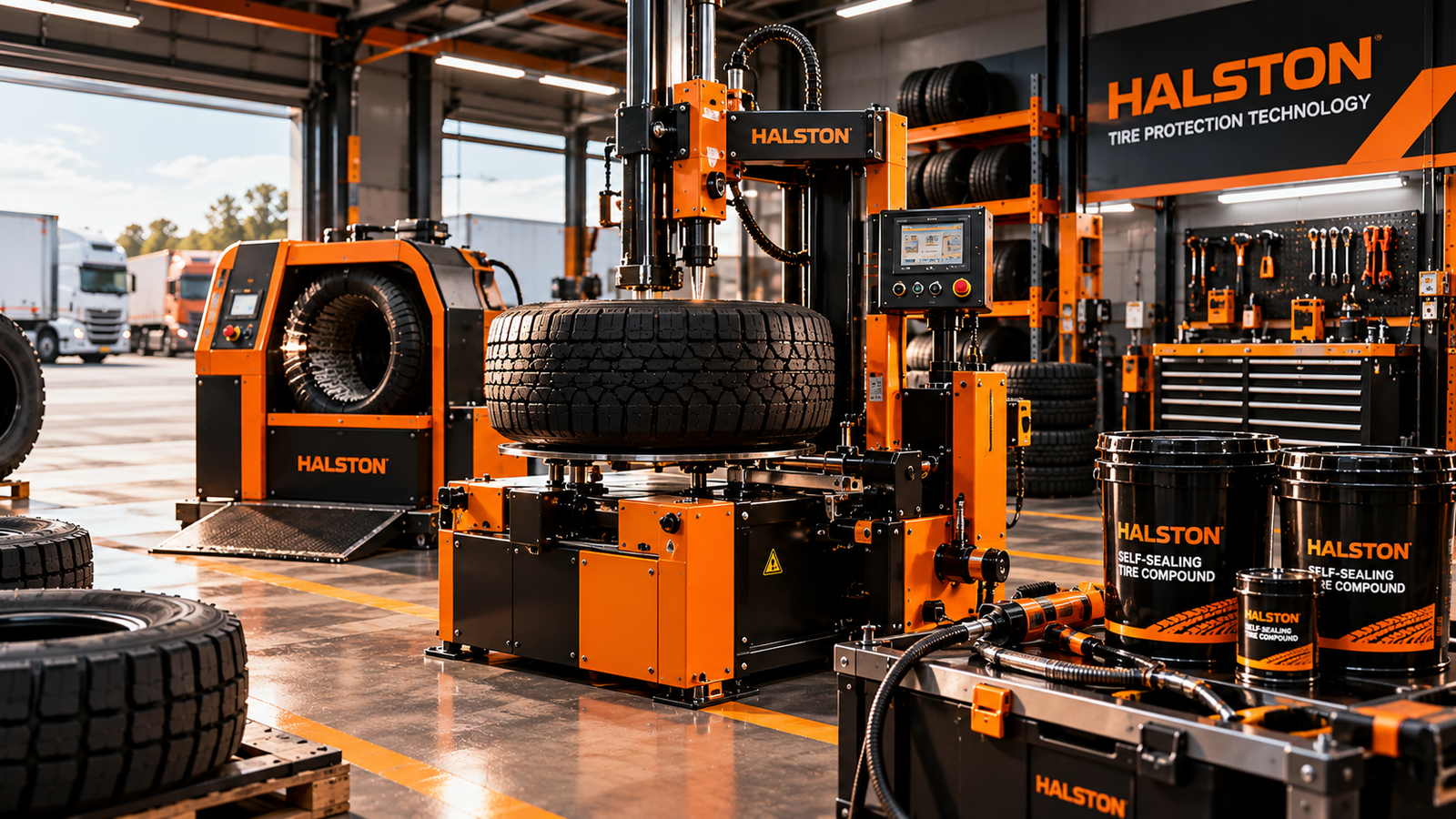
- A specialized application machine for the self-sealing compound.
- An initial supply of compatible compound.
- Required tools, spare parts, and consumables.
- Technical documentation and operator training.
- Warranty and after-sales support under the package terms.
Before purchasing, request the complete equipment list and verify the installation requirements, electrical specifications, production capacity, maintenance procedures, and supported tire types.
Step 3: Calculate Your Startup Costs
Your initial investment should include more than the machine purchase price.
Build a budget covering the complete setup.
Equipment: Include the treatment machinery and any required accessories.
Consumables: Estimate the initial compound supply and the ongoing cost of materials.
Workspace: Consider whether your existing workshop is suitable or whether modifications are needed.
Labour and training: Account for operator training, staffing, and time spent processing each tire.
Operating expenses: Include electricity, maintenance, rent, insurance, and other relevant business costs.
Marketing and sales: Budget for customer acquisition, demonstrations, and partnerships with local fleets or service centres.
Request a detailed quotation from the supplier and use realistic local operating costs rather than relying on a headline package price alone.
Step 4: Estimate Revenue and Break-Even
A practical financial model helps you evaluate the commercial potential of your operation.
Start with three numbers:
- Your average selling price per treated tire.
- Your total variable cost per treated tire.
- Your expected monthly treatment volume.
Your contribution per tire is calculated as:
Contribution per tire = Selling price − Variable cost per tire
Your estimated monthly operating profit before financing, taxes, and other excluded costs is:
Monthly operating profit = (Contribution per tire × Monthly volume) − Monthly fixed costs
To estimate break-even volume:
Break-even tires per month = Monthly fixed costs ÷ Contribution per tire
For example, if your contribution per tire is 500 currency units and your monthly fixed costs are 25,000 currency units, you would need 50 treated tires per month to cover those fixed costs.
This is an illustrative calculation, not a forecast of Halston customer earnings. Your actual results will depend on your market, costs, pricing, and demand.
Step 5: Build a Customer Acquisition Strategy
Even the right equipment needs a reliable path to customers.
Start by identifying the segments most likely to benefit from your service.
Potential customers include:
- Independent tire shops.
- Commercial trucking companies.
- Delivery and logistics fleets.
- Automotive service centres.
- Regional tire distributors.
- Businesses with substantial vehicle maintenance requirements.
Demonstrations, transparent technical information, and clear service pricing can help prospective customers understand what the treatment does and what its limitations are.
Avoid promising that tires are completely puncture-proof or that every puncture will seal. Communicate the verified capabilities of the specific system and the importance of regular tire inspection.
Step 6: Evaluate the Supplier Carefully
Choosing a supplier is a major part of the investment decision.
Before placing an order, review:
- Equipment specifications and compatibility.
- Compound documentation and safety information.
- Verified puncture-sealing performance tests.
- Operator training and technical support.
- Warranty coverage and exclusions.
- Spare-parts availability.
- Shipping, installation, and delivery arrangements.
- Applicable certifications and export documentation.
Ask for documentation supporting any performance claims and confirm what is included in writing.
Step 7: Plan for Quality and Safety
A sustainable tire treatment business depends on consistent operating procedures.
Operators should follow the equipment manufacturer's instructions for cleaning, preparation, application, temperature control, cooling, and final inspection.
Every treated tire should be assessed according to the system's compatibility requirements and applicable tire safety procedures.
The treatment must not be presented as a substitute for repairing structural damage, protecting sidewalls, or performing routine tire maintenance unless the manufacturer specifically documents the relevant capability.
Why Consider Halston?
Halston provides specialized tire treatment equipment, self-sealing compound, operator training, and technical support for businesses interested in this market.
Available packages are intended to help operators establish a treatment workflow, from tire preparation to compound application.
Whether you are expanding an existing tire shop, serving commercial fleets, distributing equipment, or researching a new venture, review the complete package specifications and build a business case around your local market.
Take the Next Step
A successful tire protection operation begins with research, realistic financial planning, and a clear understanding of the equipment.
Request the Halston catalog and full pricing to review available packages, included components, and technical requirements.
Use that information to estimate your startup costs, assess customer demand, and decide whether self-sealing tire treatment fits your business strategy.