






Animation and motion graphics are no longer optional — they are essential tools in any brand's visual arsenal. Discover how motion design captures attention, tells stories, and drives higher engagement across digital channels.
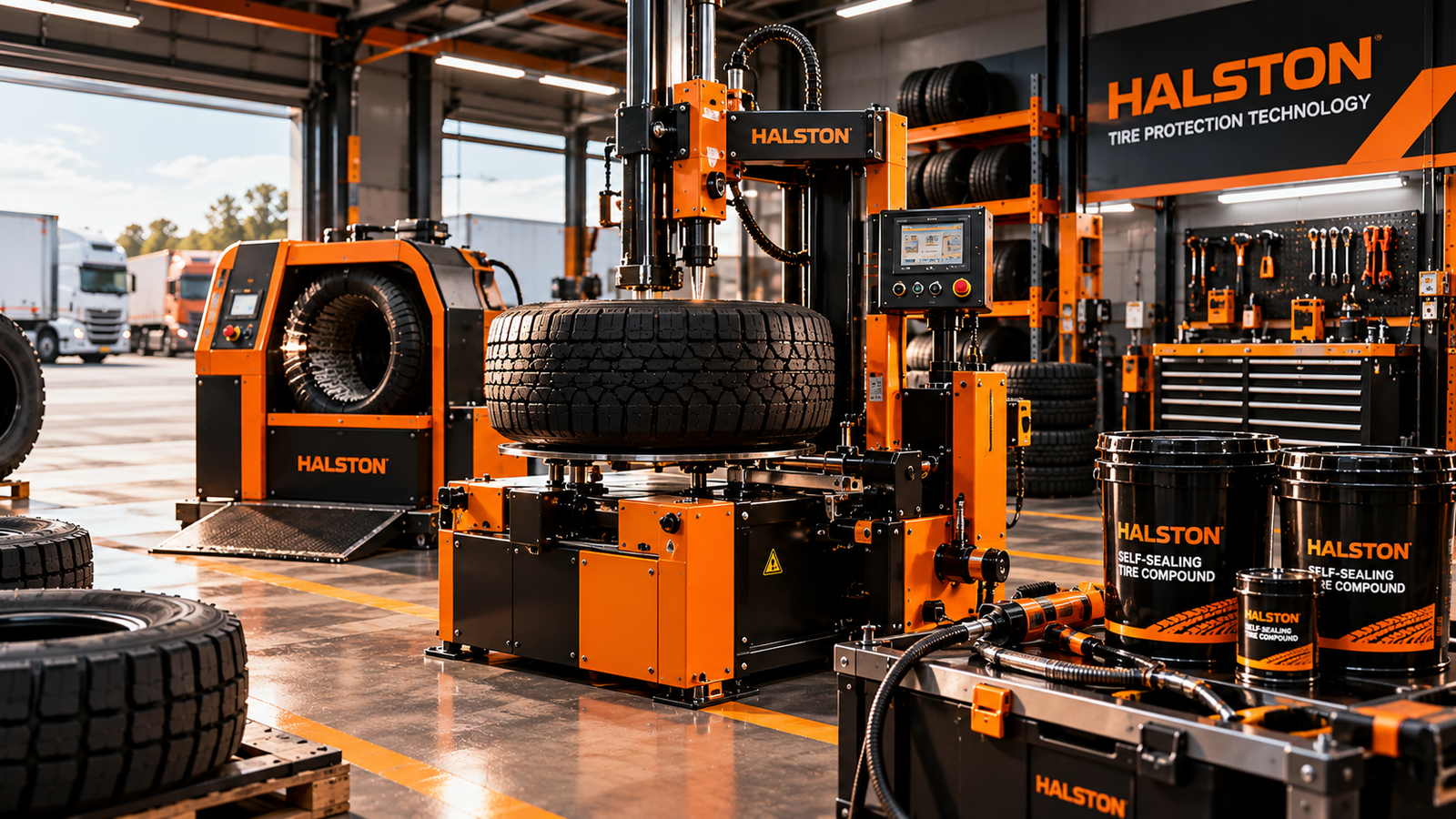
Learn what to look for in a professional tire treatment system, from equipment specifications and compound compatibility to training, maintenance, and long-term operating costs.
Why Choosing the Right Equipment Matters
Investing in tire treatment equipment is an important decision for businesses looking to introduce self-sealing tire technology.
The right setup should match your expected production volume, available workspace, tire specifications, operator skills, and business objectives.
A machine should not be evaluated on purchase price alone. Equipment reliability, application consistency, consumable costs, technical support, and operator training all contribute to the long-term value of the investment.
1. Understand the Complete Treatment Process
Before comparing equipment packages, understand the stages involved in treating a tire.
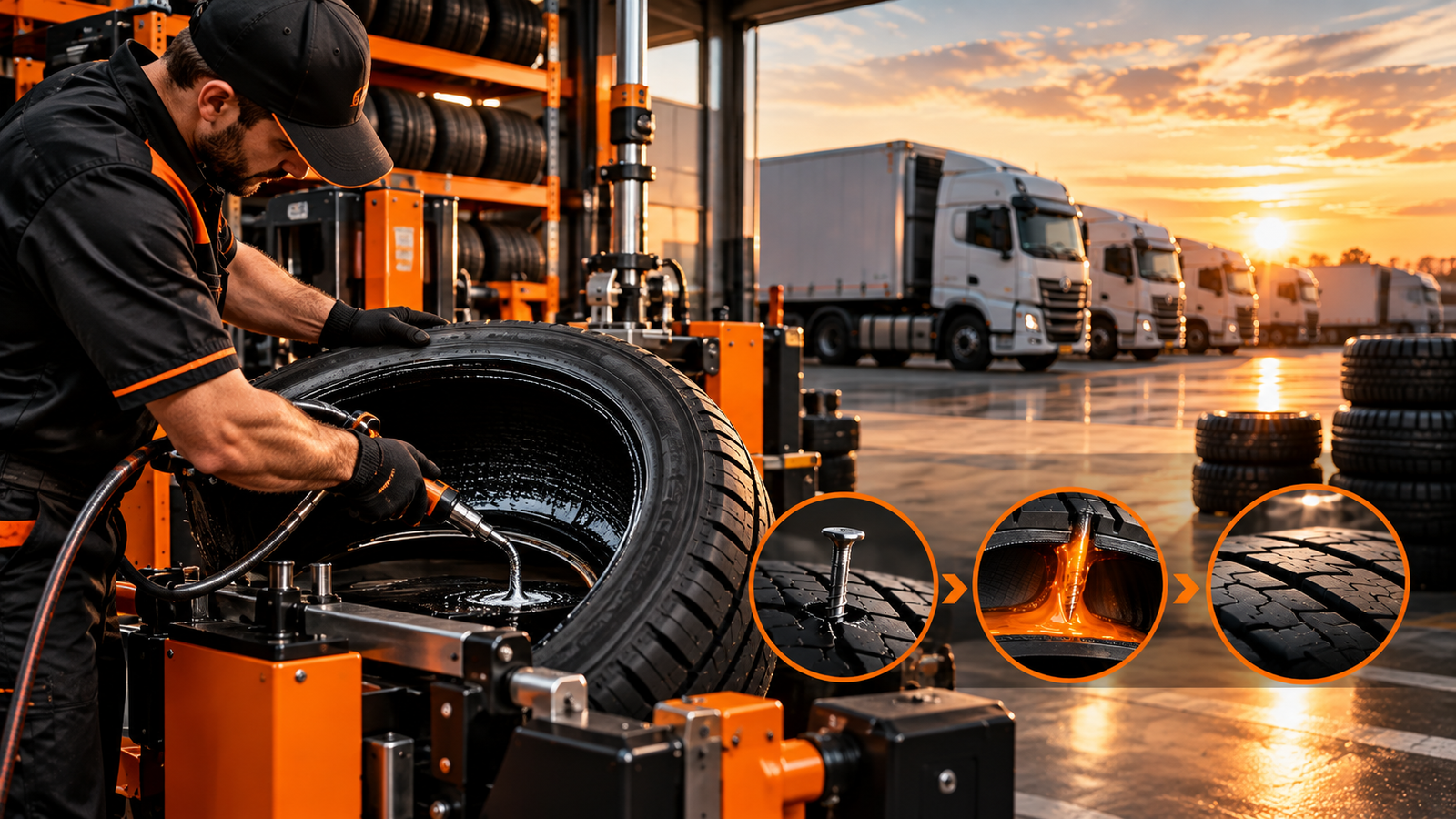
A typical process may include:
- Cleaning: Preparing the tire's inner surface.
- Preheating: Applying the specified temperature treatment where required.
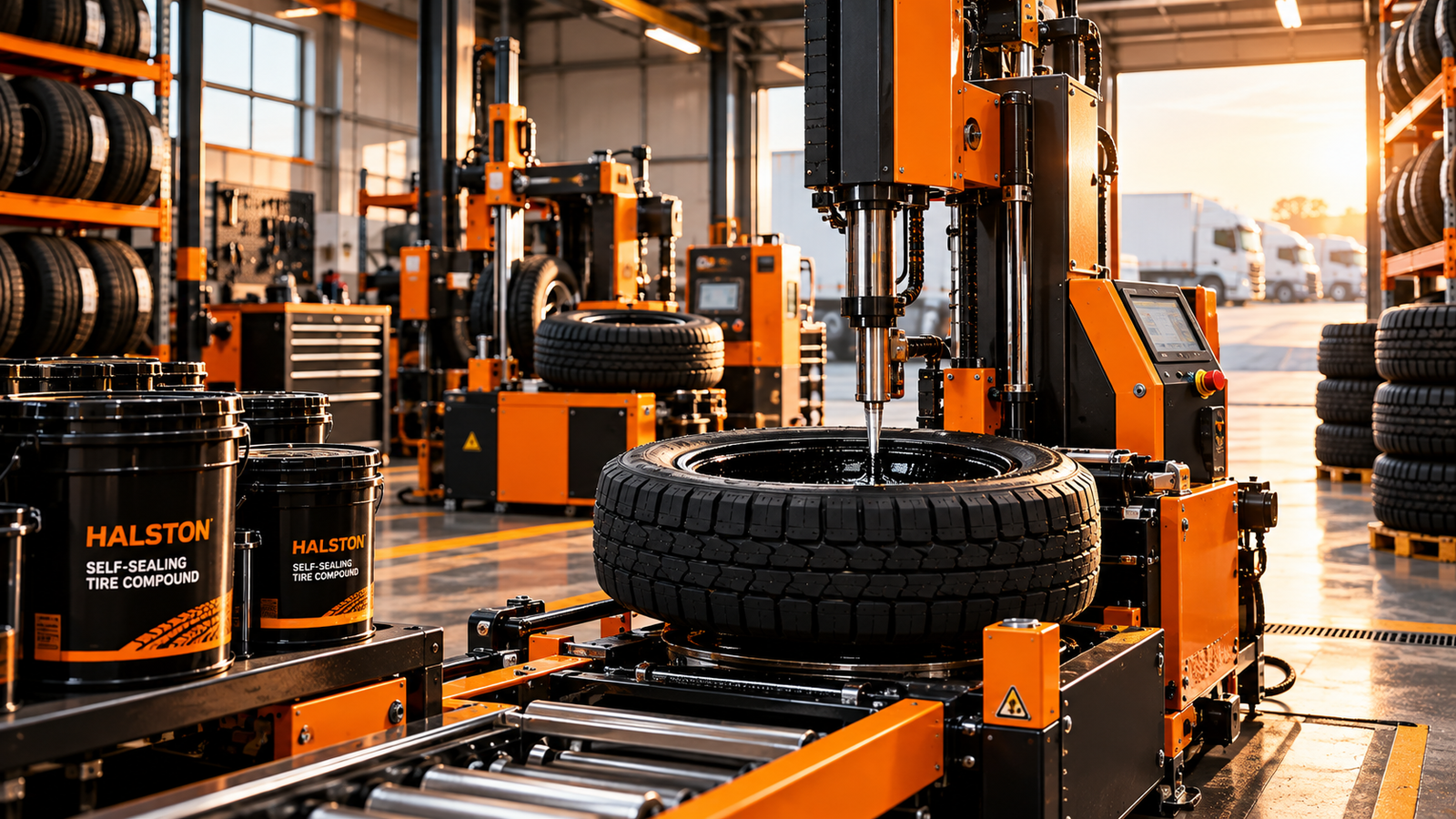
- Compound application: Distributing the self-sealing material across the designated area.
- Cooling and inspection: Following the required stabilization and quality-control procedures.
The equipment must support the process specified by the compound manufacturer. Not every system uses identical settings or procedures, so always review the technical documentation before operating the machinery.
2. Compare Equipment Specifications
A professional system should be evaluated according to its intended application and operating requirements.
Production Capacity
Determine how many tires the system can process within a typical working day. Ask the supplier for realistic production figures and the conditions under which those figures were measured.
Supported Tire Types
Confirm compatibility with the tire sizes, constructions, and applications you intend to serve. Passenger-car tires and commercial truck tires may require different equipment capabilities and procedures.
Application Consistency
Ask how the machine controls compound distribution and how operators verify the quality of each treatment.
Consistent application is important, but performance should be supported by the manufacturer's specifications and testing rather than visual appearance alone.
Workspace and Installation
Check the machine dimensions, power requirements, ventilation needs, installation conditions, and any additional tools required to establish the operation.
3. Evaluate the Self-Sealing Compound
The compound is just as important as the machine.
Before purchasing, request technical documentation covering:
- Compatible tire types and sizes.
- Application requirements and temperature limits.
- Recommended compound quantity per tire.
- Storage and handling conditions.
- Shelf life and safety information.
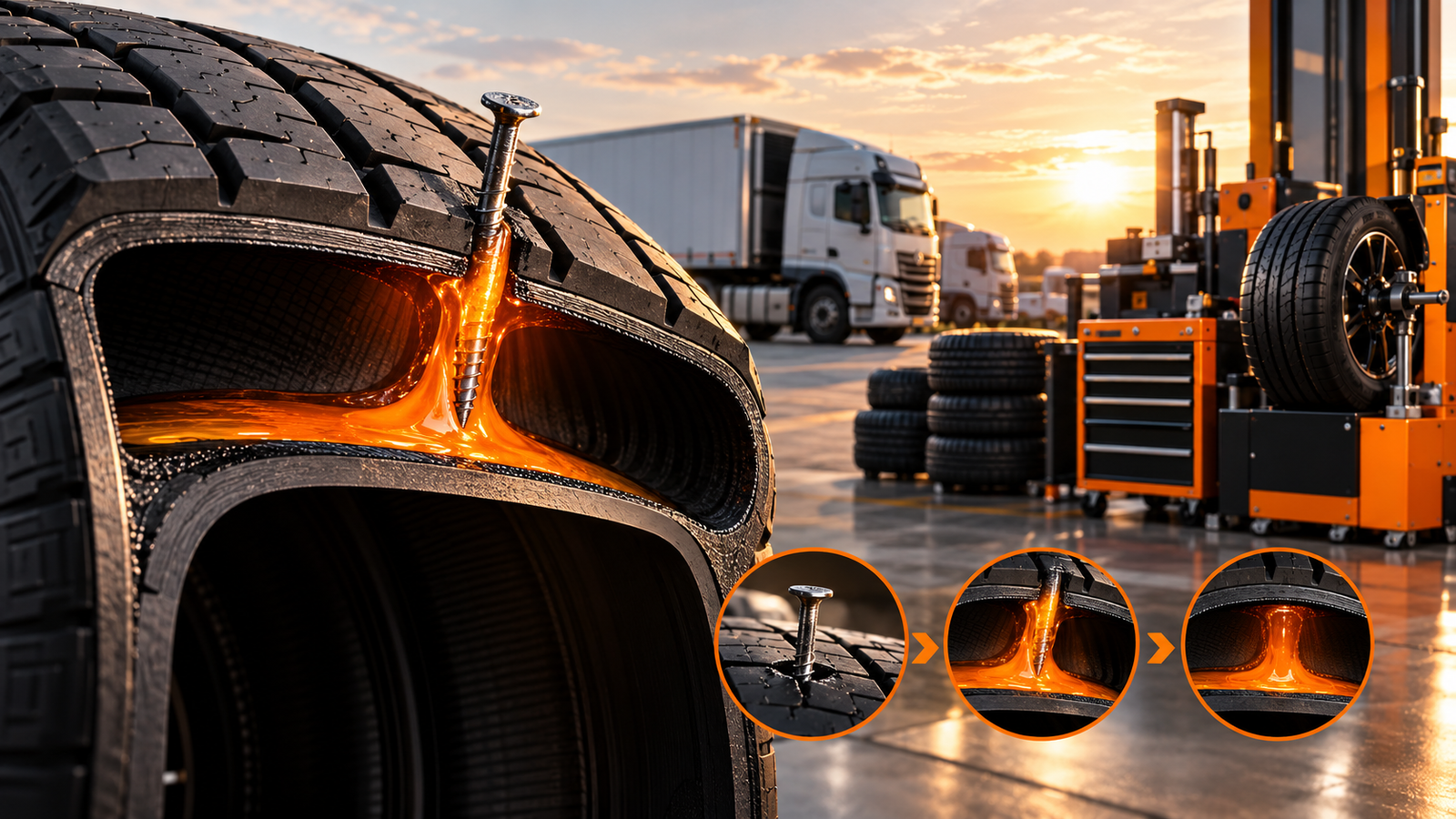
- Verified puncture-sealing performance and limitations.
You should also calculate the expected material consumption per tire. This helps establish a more accurate operating budget and service price.
4. Calculate the Total Cost of Ownership
The initial equipment price is only one part of the investment.
Consider the following expenses when comparing packages:
Equipment purchase: The cleaning machine, application machine, and included accessories.
Consumables: Self-sealing compound, replacement parts, and routine supplies.
Labour: Operator time, training, and quality-control procedures.
Operating costs: Electricity, maintenance, workspace, and other overheads.
After-sales support: Warranty coverage, technical assistance, and replacement-part availability.
A package that appears less expensive initially may not offer the best long-term value if it requires additional equipment or has higher operating costs.
5. Why Training and Technical Support Matter
Even well-designed machinery requires trained operators.
Your team should understand the equipment controls, tire preparation, compound application, temperature requirements, inspection procedures, and relevant safety precautions.
Before committing to a supplier, ask whether the package includes operator training, technical documentation, troubleshooting assistance, and guidance on routine maintenance.
Clear support arrangements can help your business establish a more consistent workflow and reduce avoidable operating errors.
6. Choose a Setup That Matches Your Business Model
Different businesses have different equipment requirements.
Tire Shops and Service Centres
An existing workshop may need a compact setup that fits its available space and expected customer demand.
Fleet Operators
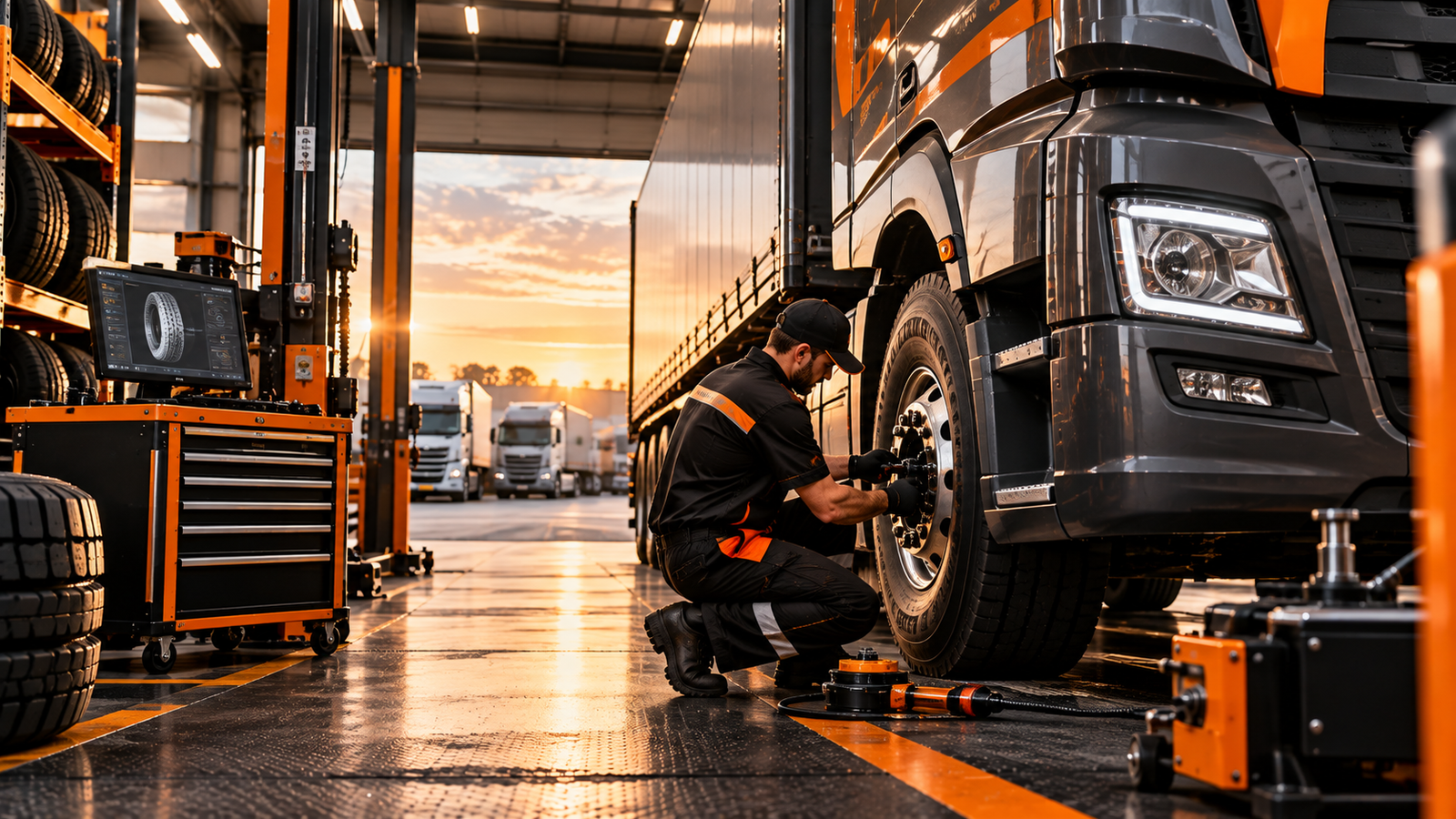
A fleet operation should evaluate treatment capacity, internal maintenance procedures, tire compatibility, and the cost of processing tires in-house.
Distributors
Distributors should assess the equipment range, consumable supply, spare-parts availability, training arrangements, and support they can provide to local customers.
Investors and Entrepreneurs
New operators should begin with market research, a realistic startup budget, and an estimate of the number of tires they expect to treat each month.
The goal is to select a setup that matches the actual business requirement instead of paying for unnecessary capacity.
7. Questions to Ask Before Purchasing
Before placing an order, request clear answers to these questions:
- What equipment is included in the package?
- Which tire types and sizes are supported?
- What is the expected production capacity?
- How much compound is required per tire?
- What training and documentation are provided?
- What does the warranty cover?
- How are spare parts and consumables supplied?
- What installation and electrical requirements apply?
- What performance testing supports the product claims?
- What ongoing maintenance is required?
Review the answers against your budget and operating plan before making a decision.
Discover Halston Tire Treatment Equipment
Halston provides tire treatment equipment, self-sealing compound, training, and technical support for businesses exploring tire protection technology.
Available packages should be assessed according to their included machinery, consumables, technical specifications, warranty terms, and suitability for the intended application.
Whether you operate a tire shop, manage a commercial fleet, distribute automotive products, or are planning a new venture, understanding these factors can help you make a more informed investment decision.
Request the Halston Catalog & Full Pricing to review the available packages and identify the setup that best fits your business requirements.