







Inclusive design is not just an ethical responsibility — it's a business advantage. Learn how designing for accessibility expands your audience, improves usability for everyone, and future-proofs your digital products.
Learn how commercial fleets can evaluate self-sealing tire technology, improve tire maintenance planning, and reduce the disruption caused by qualifying tread punctures.
Why Tire Management Matters for Commercial Fleets
For trucking companies, logistics providers, and delivery businesses, vehicle availability is essential to daily operations.
An unexpected tire puncture can interrupt a delivery route, require roadside assistance, delay scheduled work, and create additional maintenance costs. When these incidents happen across a large fleet, their impact can extend beyond the cost of repairing a single tire.
A structured tire management strategy helps fleet operators monitor tire condition, plan maintenance, and evaluate technologies that may reduce certain tire-related interruptions.
Self-sealing tire treatment is one option worth assessing as part of that strategy.
What Is Self-Sealing Tire Technology?
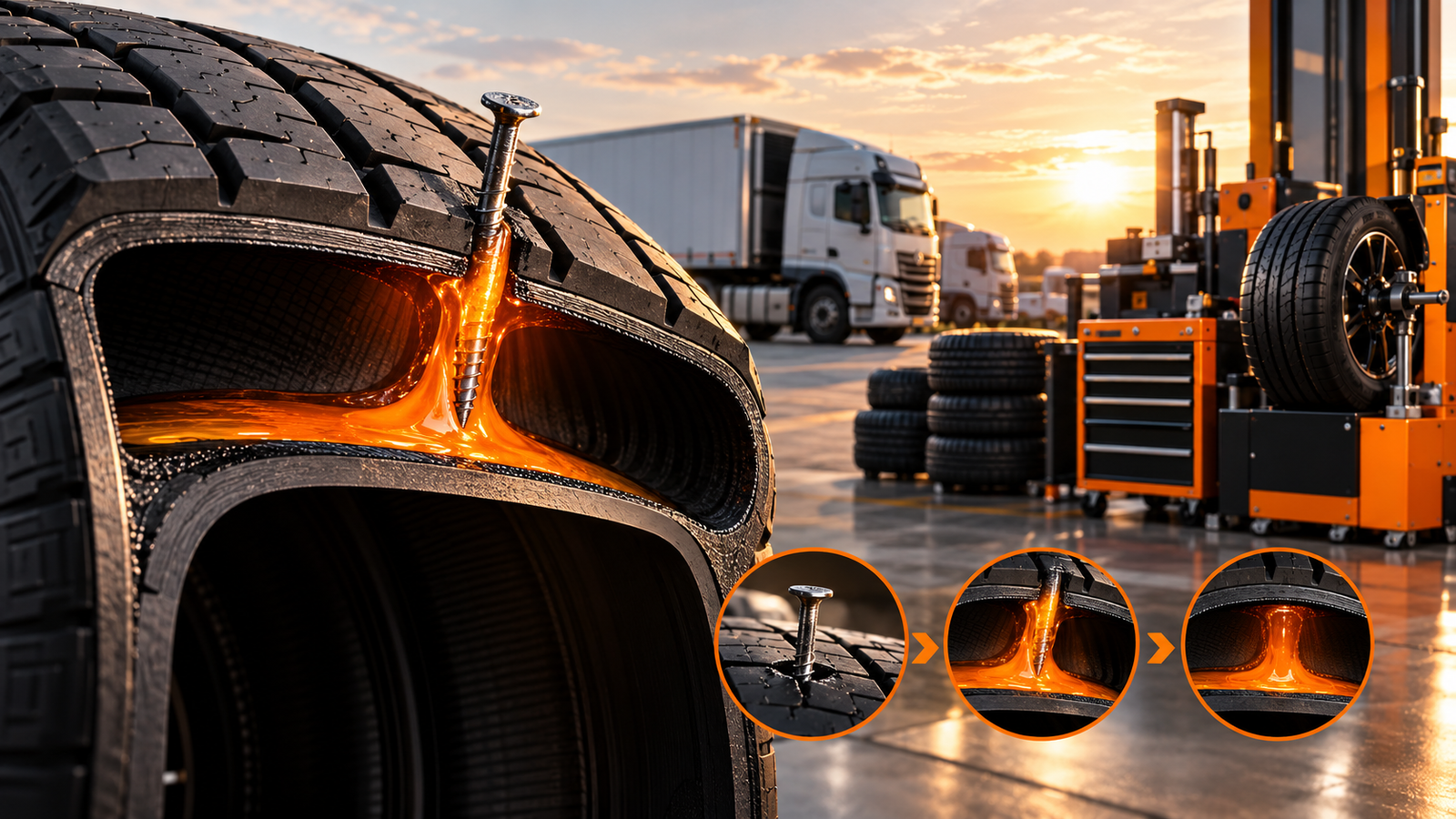
Self-sealing tires use a specialized compound designed to help seal qualifying punctures in the treated tread area.
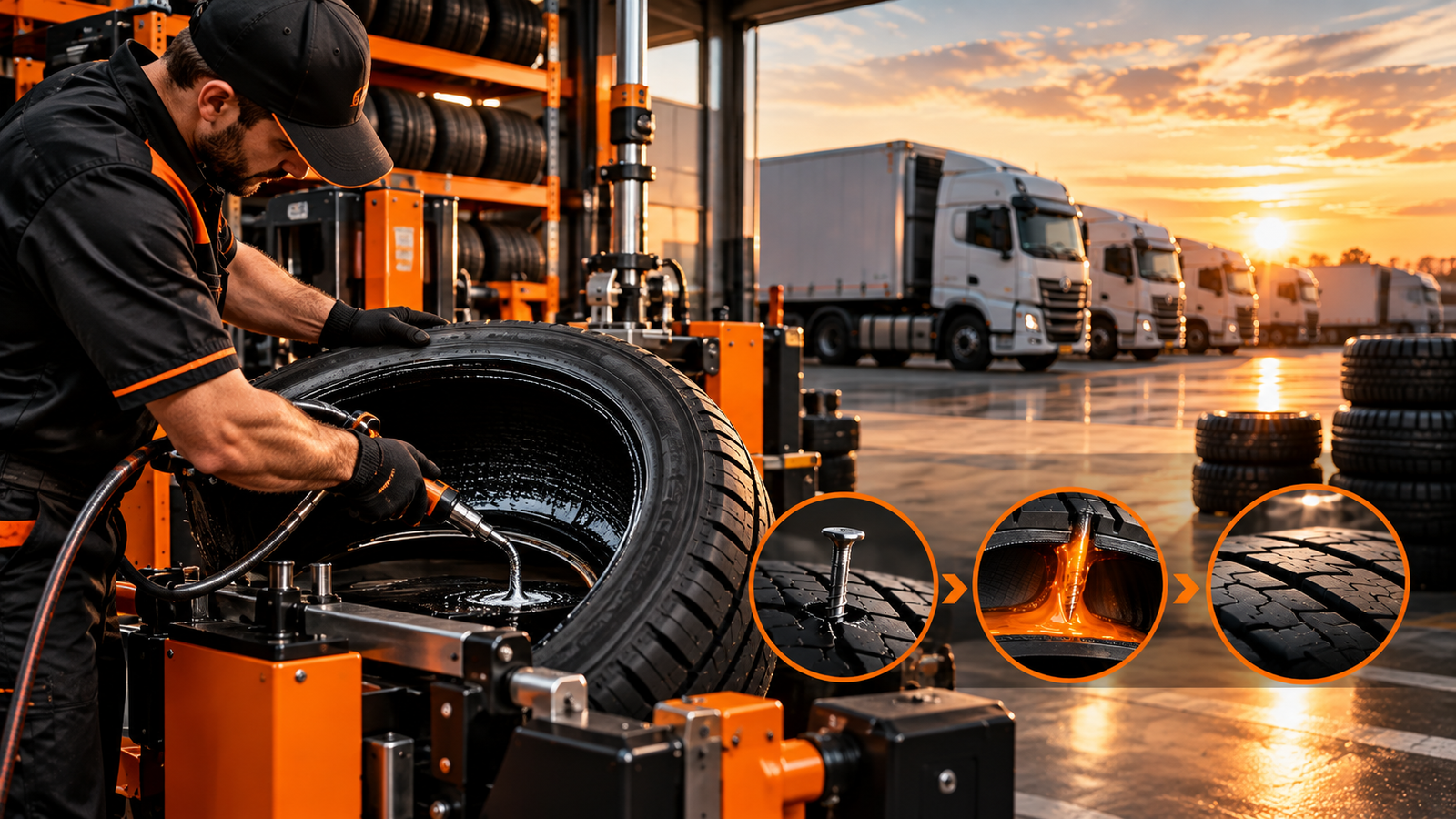
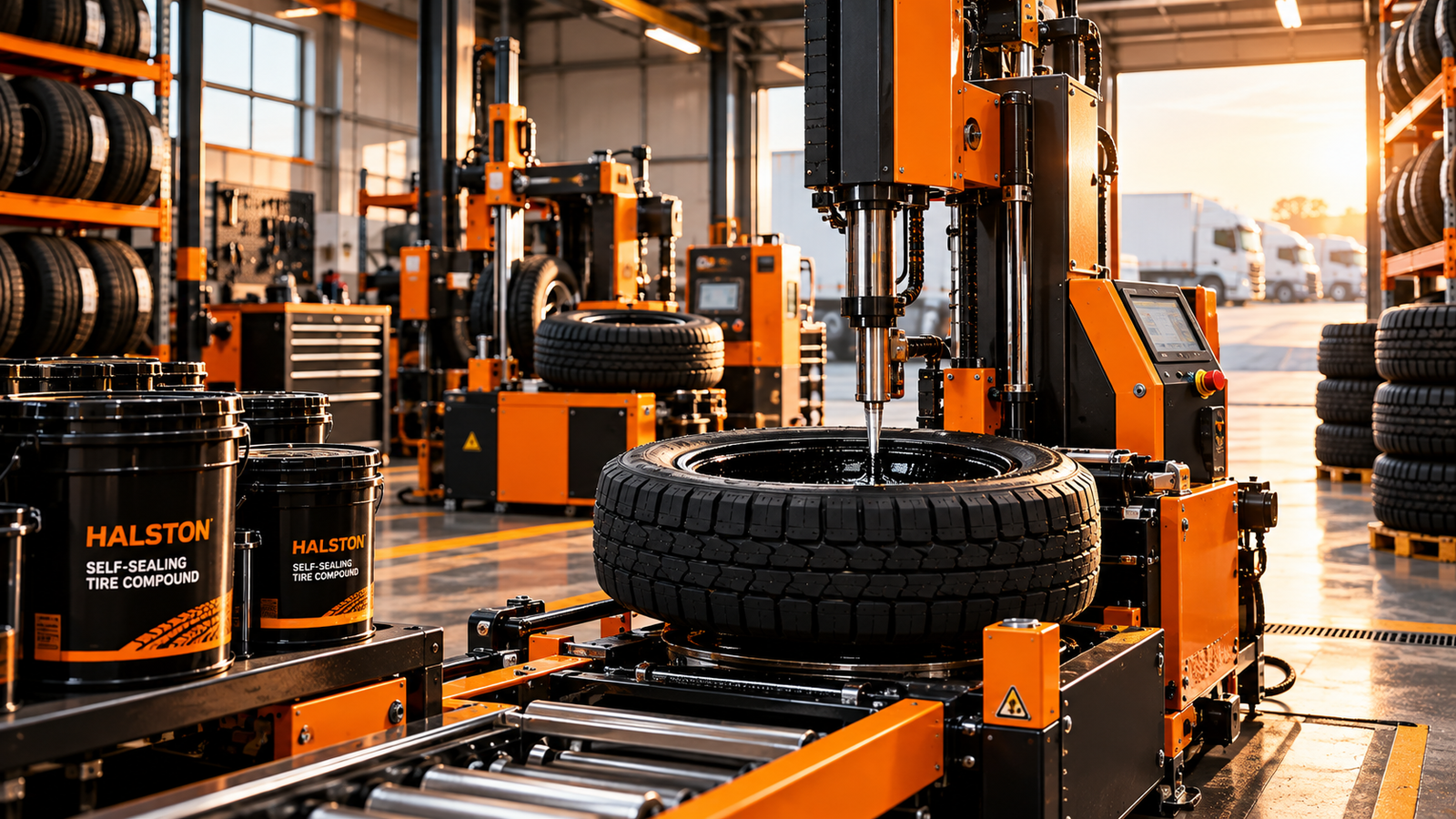
Depending on the treatment system, the compound is applied to the inner surface of a compatible tire using dedicated machinery.
When a qualifying puncture occurs, the compound is intended to help close the opening and limit air loss. Actual performance depends on the compound, tire construction, puncture size and location, and operating conditions.
This technology does not make a tire completely puncture-proof, and it should not be considered a replacement for tire inspections or professional maintenance.
Five Ways Fleet Operators Can Improve Tire Management
1. Monitor Tire Condition Regularly
Regular inspections help identify wear, pressure problems, visible damage, and other issues before they develop into more serious operational concerns.
Fleet maintenance teams should establish inspection procedures appropriate to their vehicles, routes, and operating environment.
2. Evaluate Puncture Protection Options
Self-sealing treatment may provide an additional layer of protection against qualifying tread punctures.
Before adopting a system, review the manufacturer's verified test results, compatible tire types, sealing limitations, and maintenance requirements.
3. Track Tire-Related Downtime
Record the frequency of punctures, roadside service calls, vehicle interruptions, and associated costs.
Reliable operational data can help fleet managers identify recurring problems and determine whether a new protection solution delivers measurable value.
4. Train Drivers and Maintenance Teams
Drivers should know how to report tire problems and follow the company's inspection and safety procedures.
Maintenance personnel should understand the treatment system, its limitations, and the manufacturer's instructions for inspecting treated tires.
5. Review Total Cost of Ownership
The lowest initial purchase price does not always represent the lowest long-term operating cost.
Consider tire purchases, maintenance labour, emergency service, vehicle downtime, treatment costs, and replacement intervals when comparing available solutions.
How Can Self-Sealing Treatment Fit Into a Fleet?
A treatment program should begin with a clear understanding of the fleet's operating requirements.
Fleet managers can assess:
- Vehicle types and tire specifications.
- Common routes and road conditions.
- Historical puncture frequency.
- Current maintenance procedures.
- The cost of treatment per tire.
- Equipment capacity and operator training requirements.
The results can help determine whether treating selected tires or introducing a broader treatment program makes operational and financial sense.
Not every vehicle or tire will necessarily be suitable. Compatibility must be confirmed before treatment.
Understanding the Financial Impact
The business case for puncture protection should be based on measured fleet data rather than assumptions.
Start by estimating the annual cost of puncture-related incidents, including emergency service, repair expenses, and documented downtime.
Then compare those costs with the expected cost of treatment and any measurable reduction in qualifying incidents.
For example, if a fleet spends 100,000 currency units annually on the specific puncture-related costs that a treatment program could potentially influence, even a modest verified reduction could justify further evaluation.
However, the actual savings will depend on the treatment's effectiveness under the fleet's operating conditions. No reduction should be assumed without supporting evidence.
Equipment and Training for Tire Protection Operations
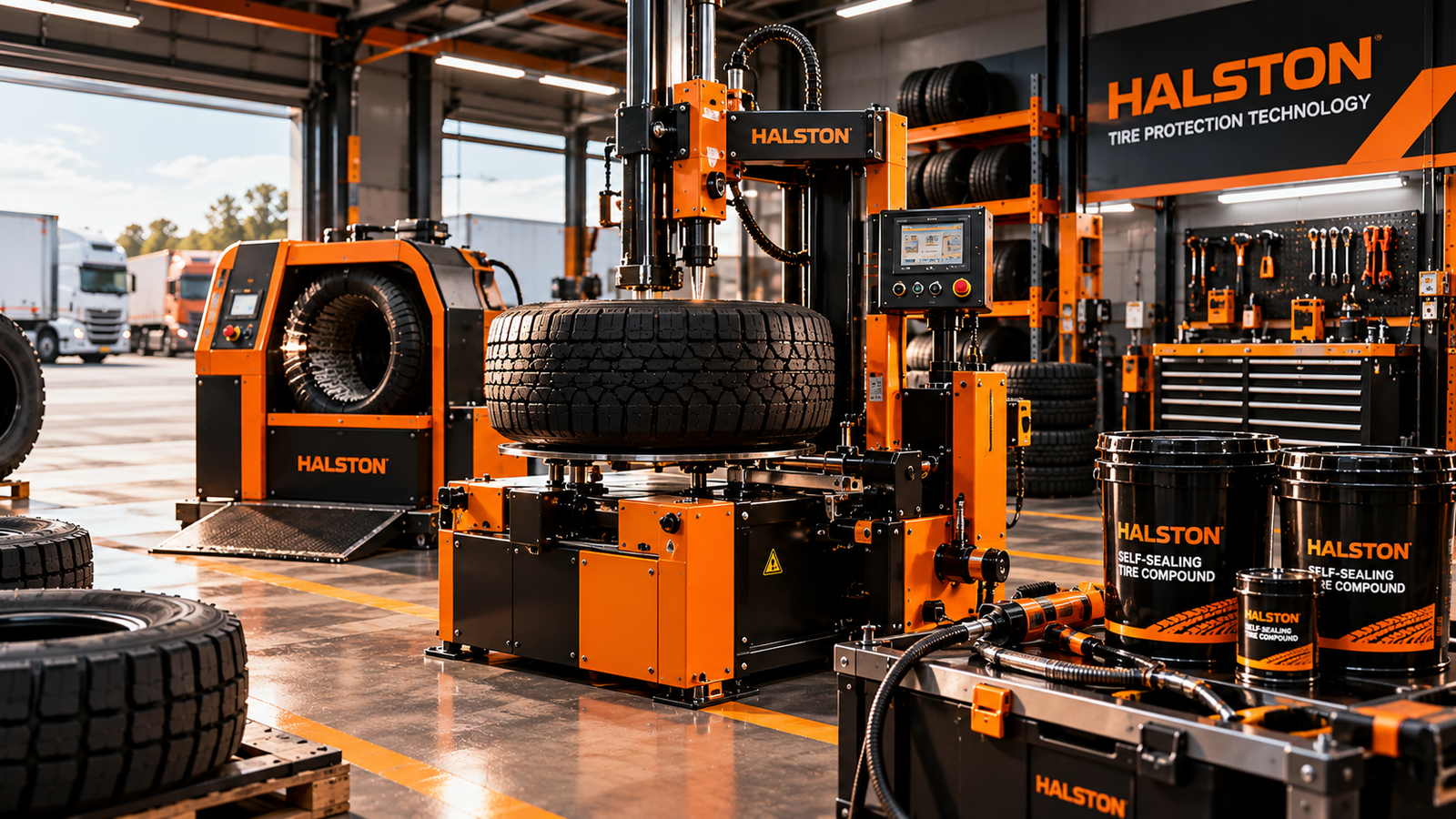
For businesses that want to process tires internally, a suitable treatment system may include:
- Tire cleaning equipment.
- A specialized compound application machine.
- A compatible self-sealing compound.
- Required tools and consumables.
- Operator training and technical documentation.
- Equipment warranty and technical support, subject to package terms.
Halston provides equipment packages intended to help tire businesses establish a tire treatment operation.
Fleet operators should confirm the equipment specifications, production capacity, installation requirements, compound compatibility, and available support before investing.
Important Limitations to Understand
Self-sealing technology has specific operating limits.
It should not be assumed to protect against sidewall cuts, structural damage, major impacts, or every possible puncture. Tire suitability and sealing performance depend on the treatment system and the manufacturer's documented specifications.
Treated tires must continue to be inspected and maintained according to applicable safety requirements and manufacturer guidance.
Build a More Informed Tire Protection Strategy with Halston
Halston supplies tire treatment equipment, self-sealing compound, training, and technical support for businesses exploring puncture protection technology.
Whether you manage a trucking fleet, operate a logistics business, or provide tire services to commercial customers, understanding the equipment and its verified capabilities is an important first step.
Request the Halston catalog and full pricing to review available packages and evaluate whether a tire treatment operation fits your fleet maintenance strategy.